Witchwood Font: Whimsical Serif for Handmade Crafts
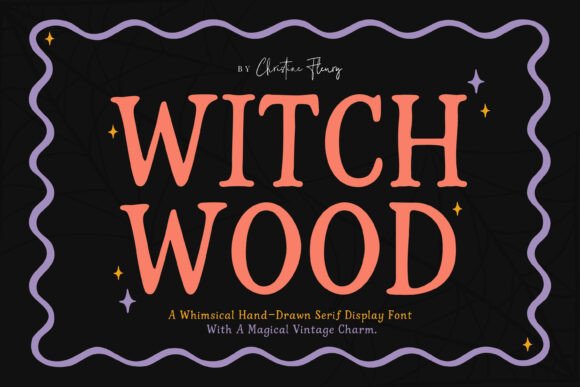
As a small business owner and creator, I am constantly searching for that perfect typeface that bridges the gap between professional polish and handmade warmth. We all know the struggle of finding a display font that feels unique without sacrificing legibility on physical products. This is exactly where Witchwood shines. It is a hand-drawn serif font that carries a magical vintage charm, making it an exceptional choice for crafters who need their work to stand out in a saturated marketplace. Unlike standard digital serifs that can feel cold or overly rigid, Witchwood possesses elegant curves and a spellbook style that instantly adds feminine flair and narrative depth to any project.
When we talk about typography for physical goods, we are not just talking about letters; we are talking about perceived value. A premium font like Witchwood signals to customers that care has been taken in every detail. Whether you are designing product packaging, creating digital downloads, or cutting vinyl decals, this typeface offers a distinct personality that generic fonts simply cannot replicate. Its whimsical nature makes it particularly effective for brands focusing on cottagecore aesthetics, apothecary styles, botanical themes, or nostalgic vintage vibes.
Elevating Physical Products and Packaging
The true test of any creative font is how it performs when translated from screen to substrate. Witchwood excels in practical applications because its hand-drawn characteristics remain crisp even when printed on textured materials. For candle makers and soap artisans, this font is a game-changer for label design. The serif structure provides enough anchor points for readability at smaller sizes, while the decorative flourishes add a boutique quality that justifies a higher price point. Imagine a soy candle labeled with "Lavender & Sage" set in Witchwood; the typography alone evokes the scent and the mood before the customer even lights the wick.
Beyond labels, this display font is ideal for hang tags and thank-you cards included in shipping packages. These small touchpoints are crucial for brand identity and customer retention. Using a consistent, recognizable typeface across your unboxing experience creates a cohesive brand story. Because Witchwood balances ornamentation with clarity, it works beautifully on kraft paper, linen cardstock, and matte sticker sheets. It avoids the common pitfall of overly ornate fonts that turn into illegible blobs when printed on absorbent surfaces or cut from adhesive vinyl.
Practical Applications for Cutting Machines and Printables
For those of us using Cricut or Silhouette machines, font selection is a technical decision as much as an aesthetic one. Intricate scripts often fail during the weeding process, but Witchwood’s serif construction offers structural integrity. The letters have sufficient weight and spacing to withstand cutting on permanent vinyl for mugs, tumblers, and tote bags. When designing iron-on transfers for apparel, the vintage charm of this font pairs perfectly with boho or retro graphics, allowing you to create merchandise that feels curated rather than mass-produced.
In the realm of digital products and printables, Witchwood serves as a powerful header font. If you create planners, journals, or educational worksheets, using this typeface for titles and section breaks adds a layer of engagement that keeps users interested. It transforms a simple checklist into a ritualistic experience. For wall art creators, Witchwood allows for the creation of typographic prints that feel like antique book plates or vintage signage. The key here is scale; this font demands space to breathe. Use it for short phrases, meaningful quotes, or single-word statements where the intricate details of each glyph can be fully appreciated.
Strategic Font Pairing for Commercial Design
While Witchwood is stunning on its own, knowing how to pair it is essential for professional layout design. As a display font, it should generally be reserved for headlines, logos, and focal points. To maintain readability and visual hierarchy, pair it with a clean, neutral sans serif font or a simple body serif. For example, if you are designing a wedding invitation suite, use Witchwood for the couple’s names and the word "Invitation," then switch to a minimalist sans serif for the date, time, and venue details. This contrast ensures that the logistical information is instantly scannable while the emotional impact remains high.
Avoid pairing Witchwood with other highly decorative scripts or ornate serifs, as this creates visual competition and clutter. Instead, let it be the star. If you are designing social media graphics or Pinterest pins for your shop, use Witchwood for the hook or main title, and a bold, modern sans serif for the subtext. This combination stops the scroll by offering both beauty and utility. For logo design, consider using Witchwood for the primary business name and a lightweight geometric font for the tagline. This approach establishes a brand identity that feels established and trustworthy yet distinctly creative.
Readability and Production Considerations
Even the most beautiful font fails if it cannot be read. When using Witchwood for product labels or stickers, always test your size thresholds. While it is more legible than many handwritten fonts, the vintage texture means it needs a minimum point size to retain its definition. On glossy surfaces, ensure there is enough contrast between the ink and the background, as the finer details of the serifs can sometimes get lost against busy patterns. For mockups, always preview your design at actual print size rather than relying solely on screen zoom, which can be deceiving regarding line weight and spacing.
Check the specific file formats and character sets included with your license. Many premium versions of Witchwood include alternates, ligatures, and swashes that can elevate custom lettering projects. Utilizing these OpenType features allows you to avoid repetitive letterforms in longer words, giving your designs a truly bespoke, hand-lettered appearance. Additionally, verify multilingual support if you sell internationally or cater to diverse communities, as missing accents or special characters can disrupt the flow of your design and alienate potential customers.
Navigating Licensing for Makers and Sellers
Understanding commercial licensing is non-negotiable for anyone selling physical products, templates, or digital assets. Before incorporating Witchwood into items intended for sale, carefully review the End User License Agreement (EULA). Standard desktop licenses typically cover physical end-products like candles, shirts, and printed stationery up to a certain sales limit. However, if you plan to use the font in editable templates (like Canva or Corjl), SVG files for other crafters, or digital kits, you will likely require an extended or specialized commercial license.
Protecting your business means respecting intellectual property. Never distribute the raw font files as part of a digital download unless explicitly permitted. Instead, flatten your designs or convert text to outlines when selling SVGs or printables. This ensures compliance and supports the type designer who created the asset. Investing in the correct license not only keeps your shop safe from legal issues but also demonstrates professional integrity to your peers and customers. When you treat typography as a valuable business asset rather than a free commodity, you elevate the entire handmade community.
Ultimately, Witchwood is more than just a collection of glyphs; it is a tool for storytelling. In a market flooded with identical trends, having a signature typeface that embodies whimsy, history, and craftsmanship can define your brand's visual voice. Whether you are stamping leather goods, printing wedding suites, or designing seasonal packaging, this font brings a tangible sense of magic that resonates with customers seeking authenticity. By applying practical production knowledge and thoughtful pairing strategies, you can harness the full potential of Witchwood to create products that are as functional as they are enchanting.